

What is a World Heritage Site?
UNESCO seeks to encourage the identification, protection and preservation of cultural and natural heritage around the world considered to be of outstanding value to humanity. This is embodied in an international treaty called the Convention Concerning the Protection of the World Cultural and Natural Heritage, adopted by UNESCO in 1972.
These World Heritage Sites are places that are inscribed by UNESCO because they are considered to be of outstanding global special cultural or physical significance to everyone – a place or building which is considered to have special importance for everyone, including future generations. They represent the most significant or exceptional examples of the world’s cultural and/or natural heritage.
The official term is “World Heritage Inscription” which is an international badge of recognition. This means the English Lake District appears on the World Heritage List.
UNESCO says: “Heritage is our legacy from the past, what we live with today, and what we pass on to future generations. Our cultural and natural heritage are both irreplaceable sources of life and inspiration. What makes the concept of World Heritage exceptional is its universal application. World Heritage Sites belong to all the peoples of the world, irrespective of the territory on which they are located”.
Other UK World Heritage Sites include: Blaenavon Industrial Landscape, Cornwall and West Devon Mining Landscape, Royal Botanic Gardens, Kew, and St Kilda.
Why does the Lake District qualify?
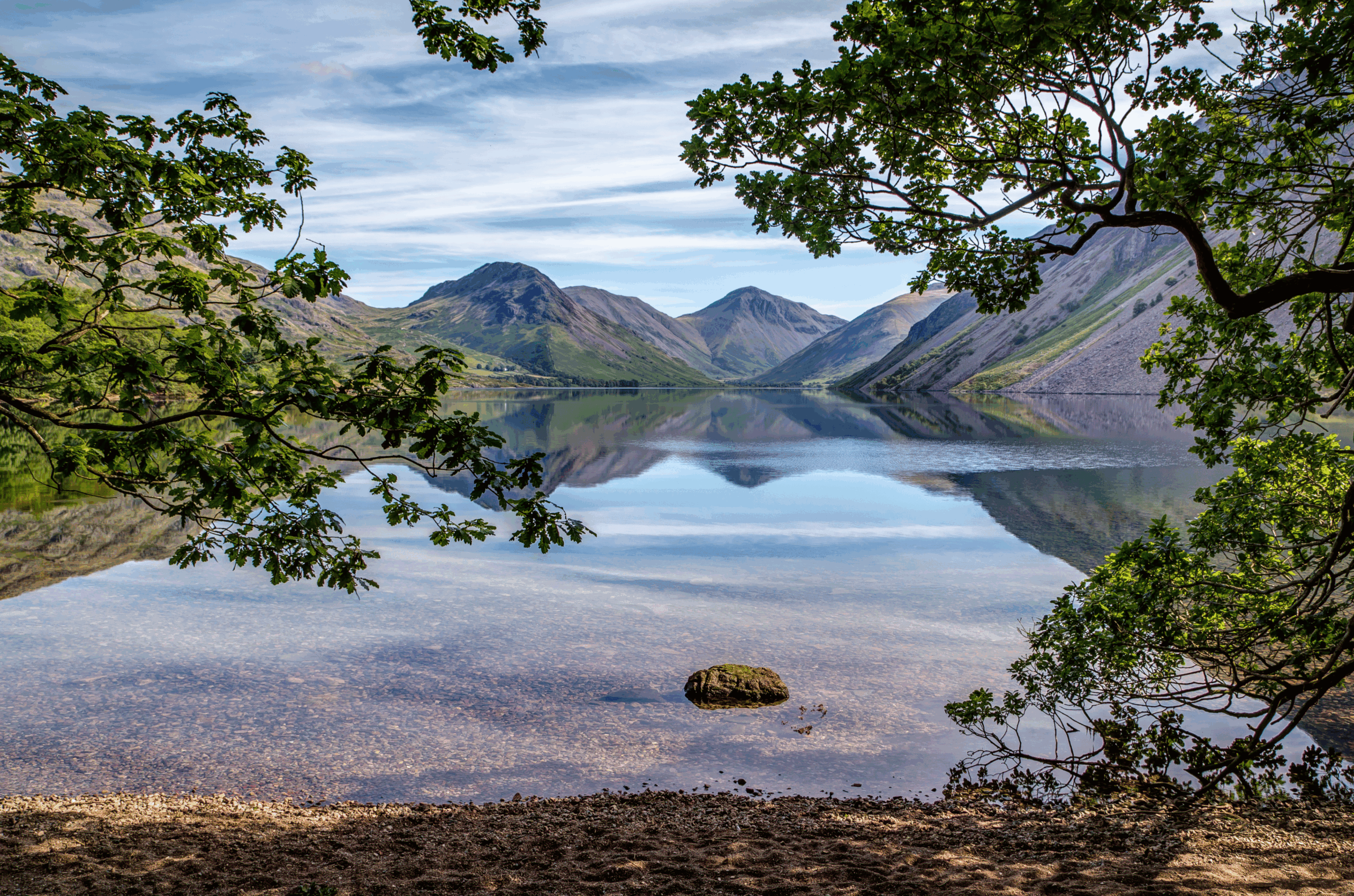
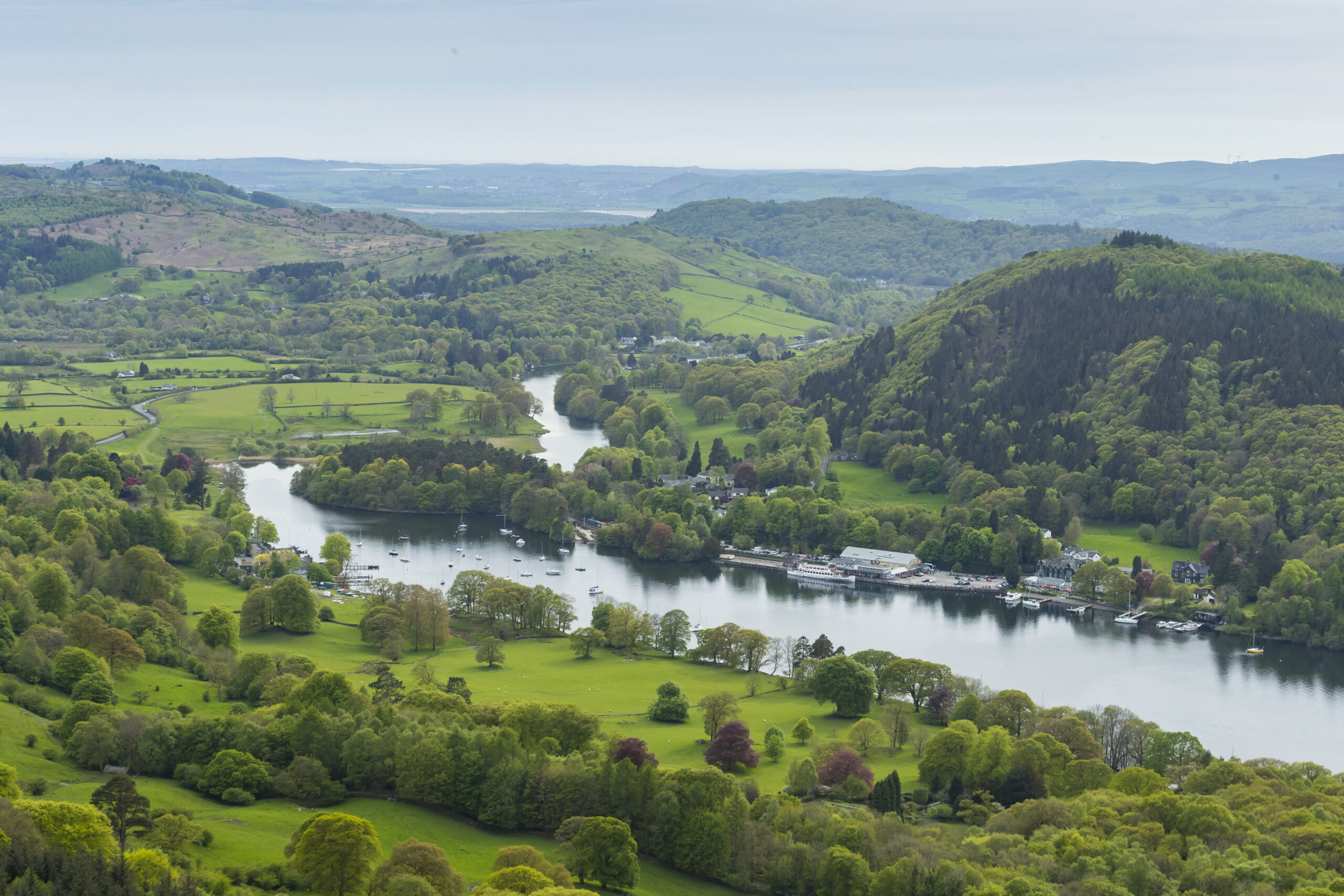
A group of local, regional and national organisations worked together to make the Lake District a World Heritage Site. This partnership sought inscription under the “cultural landscape” category. The world-class designation recognised the National Park as a dramatic farmed landscape, inspiring people to love and appreciate the place which led to the birth of the global conservation movement. We are now England’s premier National Park joining Egypt’s pyramids, the Taj Mahal, Machu Picchu and Hadrian’s Wall as an internationally recognised UNESCO World Heritage Site.
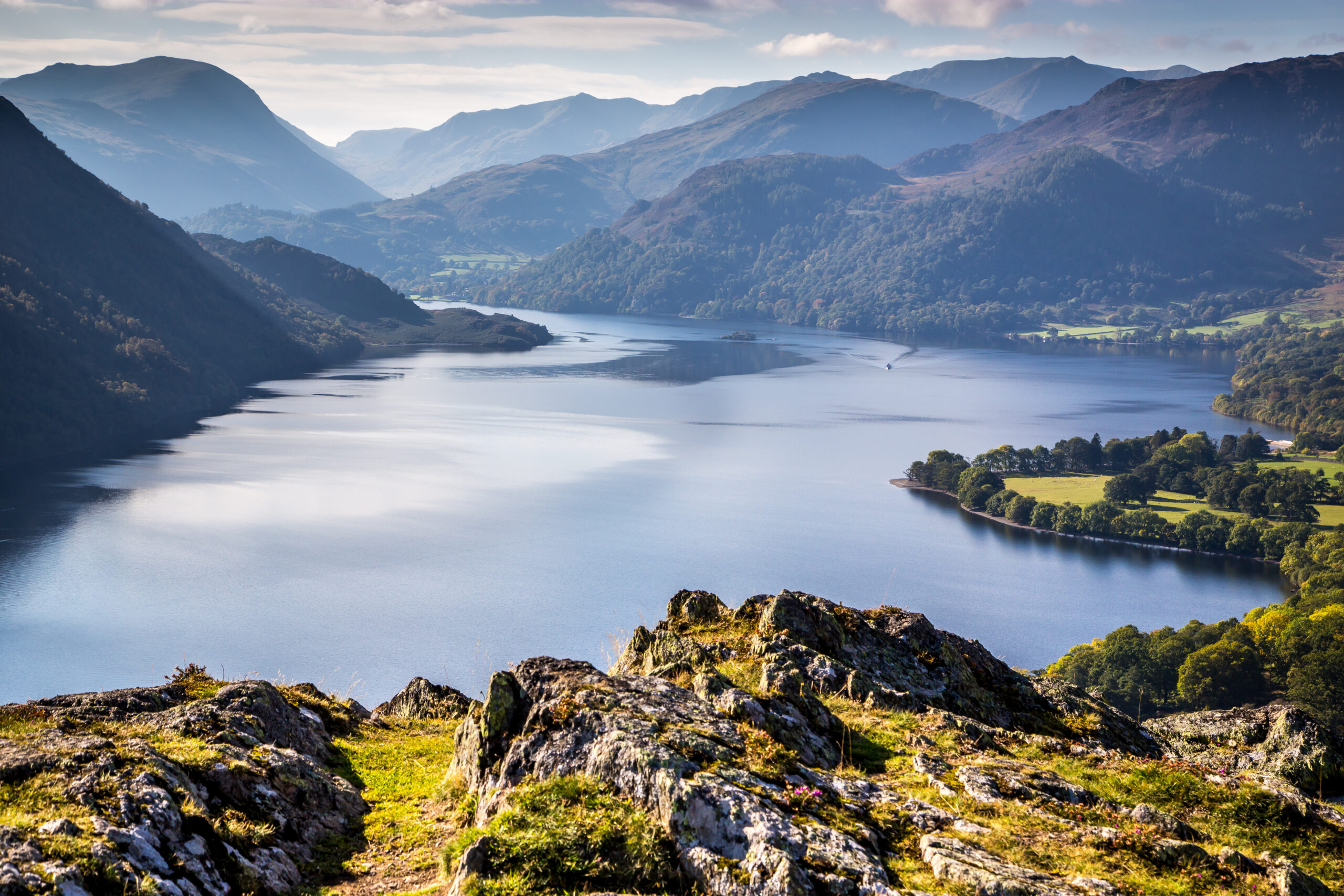
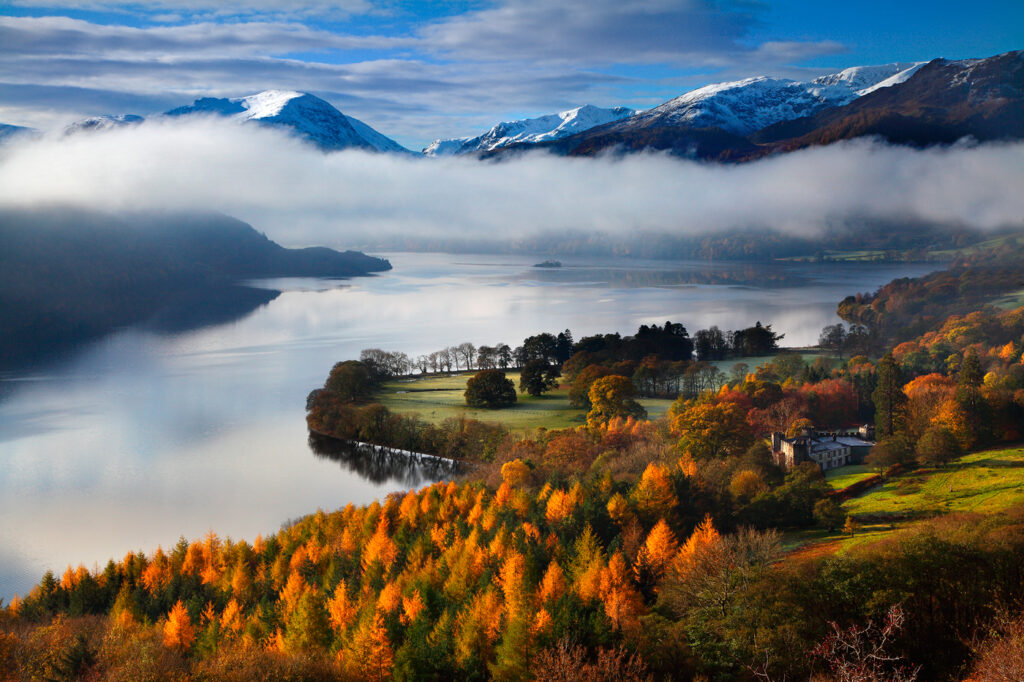
The spectacular landscape of the Lake District has been shaped by farming, industry, picturesque landscape design and the conservation movement. It stimulated poets and artists of the romantic movement from the late 18th century and conservationists from the 19th century. It continues to culturally inspire the millions who seek out what captivated Wordsworth, Ruskin and Beatrix Potter.
When UNESCO made the Lake District a World Heritage Site, it wrote a statement which explains why the area was given this status. The Lake District has attributes (features of interest or traditions) which are aspects of a World Heritage Site that are associated with or express the Outstanding Universal Value as set out in this Statement of Outstanding Universal Value.
The Lake District National Park Partnership has agreed the attributes and the measurable indicators for each one so that they can be monitored to make sure that we are looking after the World Heritage Site. View our Attributes of Outstanding Universal Value.
The three key themes are:
- A landscape of exceptional beauty, shaped by persistent and distinctive agro pastoral and local industry which gives it special character.
- A landscape which has inspired artistic and literary movements and generated ideas about landscapes that have had global influence and left their physical mark.
- A landscape which has been the catalyst for key developments in the national and international protection of landscapes.
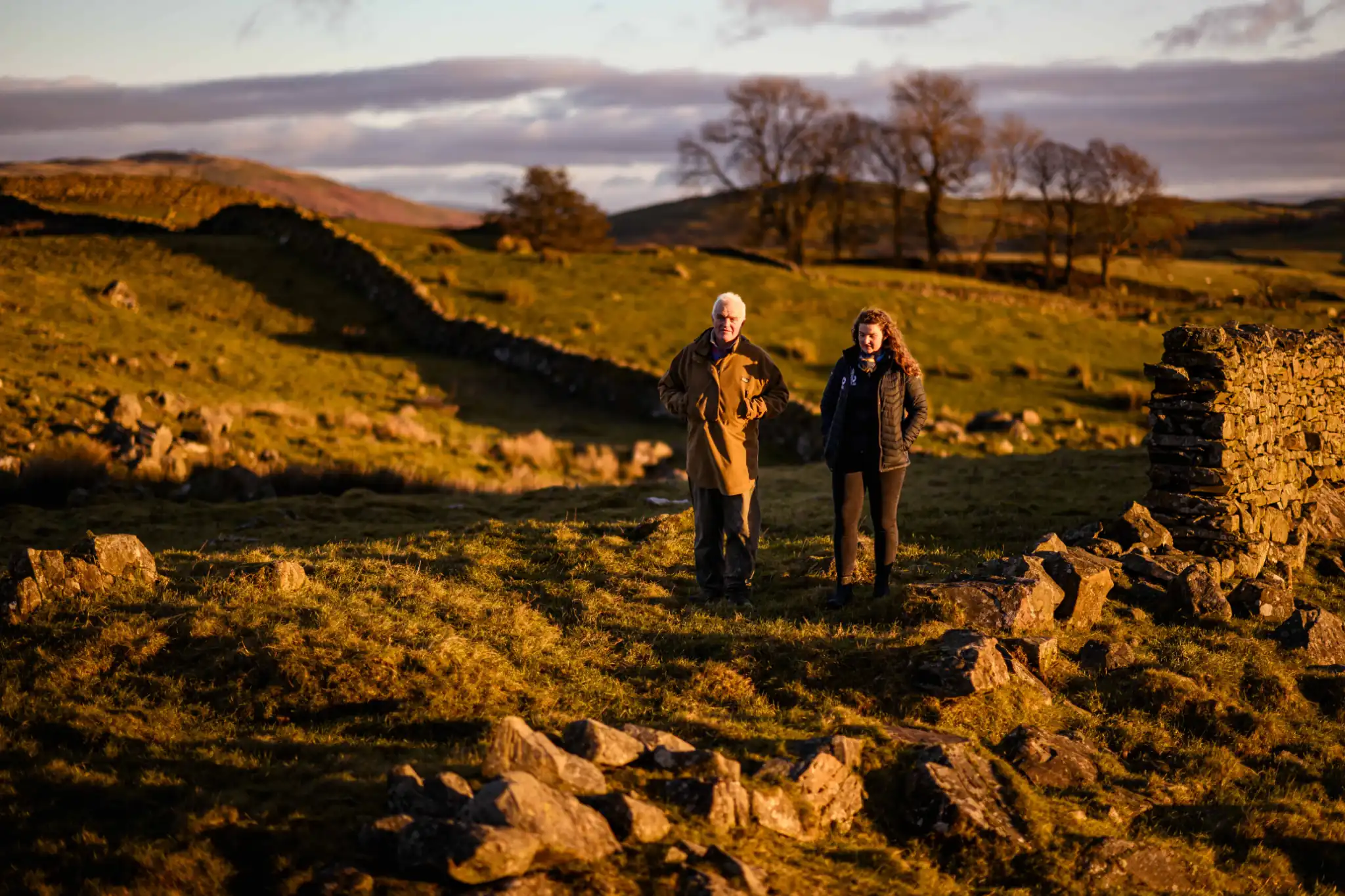
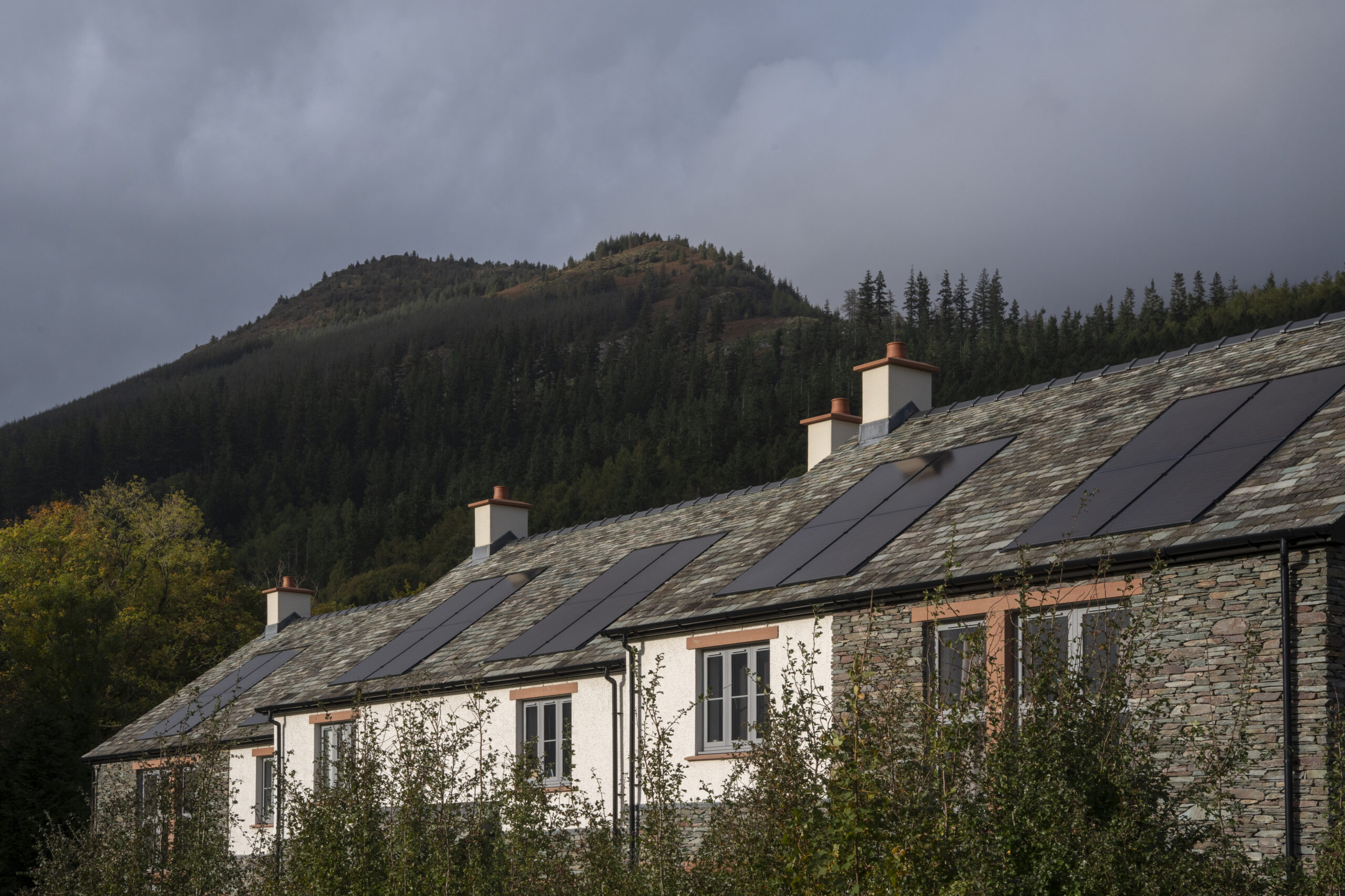
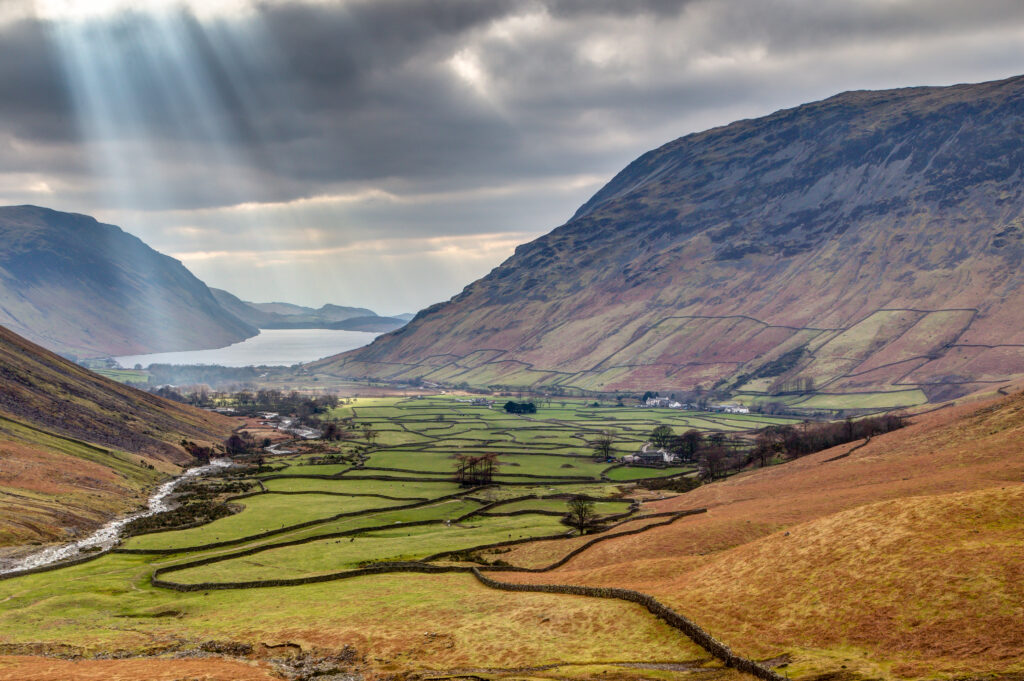
The unique Lake District farming system is based on rearing the native Herdwick sheep. It has developed for over 1000 years in response to the upland landscape of fells, lakes, valleys and native woodland. The great beauty of the Lake District comes from the combination of stone walled fields and local farm buildings with a compact and spectacular natural landscape. Both the long duration of our farming culture and the survival to the present day of its distinctive character is considered to be of outstanding universal value.
The social side of Lake District farming is important. It includes:
- the pattern of family farm tenure
- the ‘hefted’ grazing system which allows communal shepherding without fences and walls on the largest area of common grazing in Europe
- the survival of local dialect
Local industries based on the natural resources of the area (wood, rocks and minerals and water power) have also contributed to the unique character of the Lake District. This is our ” identity”.
The agro-pastoral farming system forms one of the three key themes which has led to the inscription of the Lake District as a World Heritage Site. Learn more in this Lake District World Heritage Farm Baseline Survey 2022 (PDF).
The early Picturesque interest in the Lake District led to changes to the landscape that were designed to improve its beauty. These include villas, formal gardens, picturesque tree planting and viewing stations.
The Picturesque movement also influenced the development of Romantic thought, principally through the writings of William Wordsworth and other ‘Lakes Poets’. They produced a new and influential view of the relationship between humans and landscape.
Wordsworth’s had a sense of the dependence of individual awareness and sensitivity on landscape. This led him to propose in his Guide to the Lakes of 1810 that the Lake District should be deemed “a sort of national property, in which every man has a right and interest who has an eye to perceive and a heart to enjoy”.
The key ideas of outstanding universal value which derived from this Romantic engagement with the Lake District included:
- the possibility of a sustainable relationship between humans and nature
- the value of landscape for restoring the human spirit
- the intrinsic value of scenic and cultural landscape
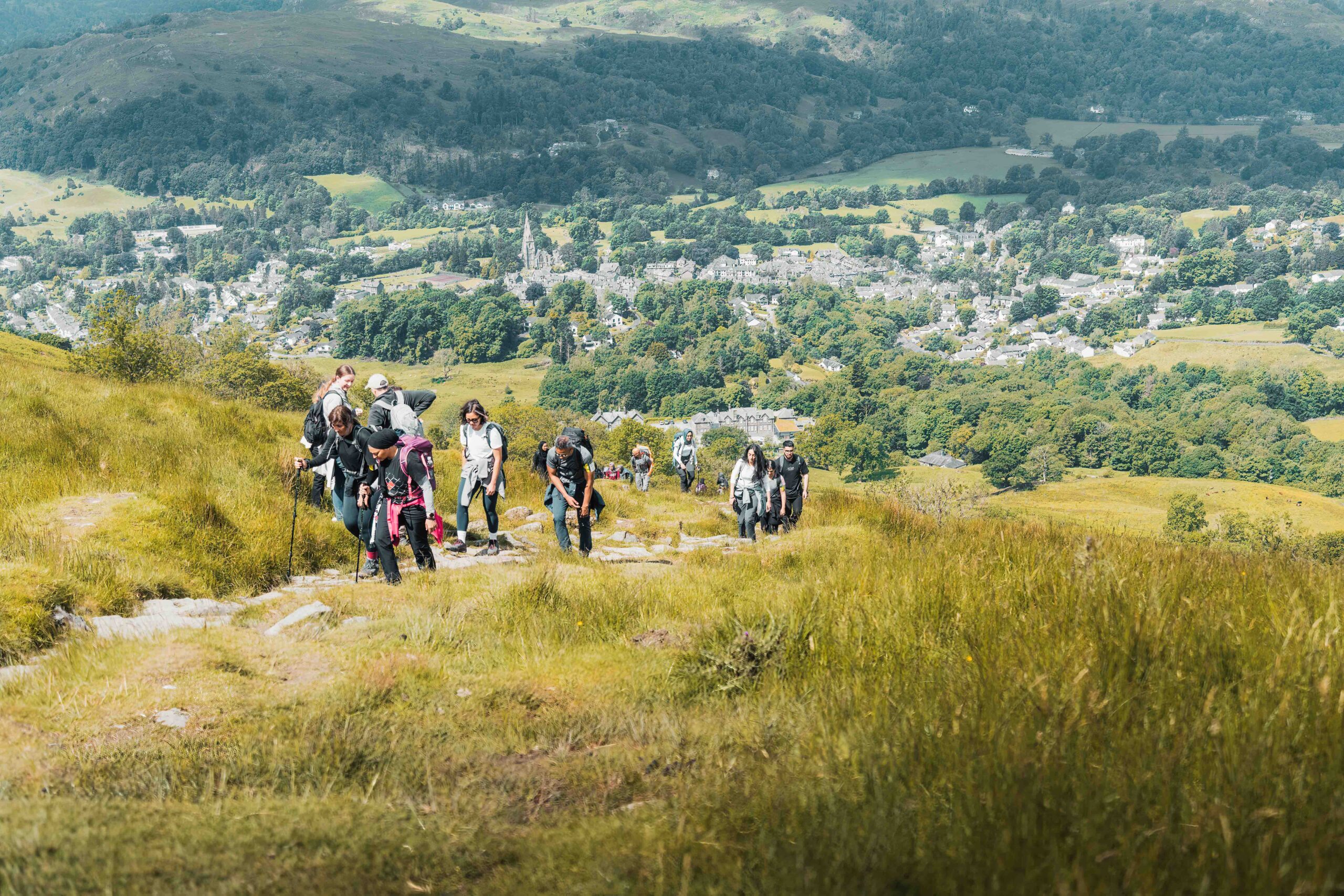
The increasing numbers of visitors to the Lake District was supported by traditional open access to the extensive common land of the fells for walking and climbing. This has resulted in the Lake District becoming a globally acknowledged and genuinely inclusive site for outdoor recreation, personal development and spiritual refreshment. This is our “Inspiration”.
The important ideas which were developed by the Romantic poets were accompanied by a realisation of the vulnerability of the Lake District landscape to threats such as the railway and industrialisation. In the 19th and 20th centuries this led to conservation battles over the Lake District landscape, including the creation of the Thirlmere reservoir, which led to the development of important movements for protecting the landscape.
The Lake District is internationally important for its role in the creation of the National Trust movement, the inspiration for the designation of UK national parks and the basis for the creation of the World Heritage cultural landscape category. This is our “conservation”.
The English Lake District World Heritage Site is...
One of just over 1,000 World Heritage Sites (1,052)
The UK’s largest World Heritage Site: 229,200 ha (1951 boundary)
The UK’s 31st UNESCO World Heritage Site
Cumbria’s second World Heritage Site together with Hadrian’s Wall
One of eight World Heritage Sites which includes sites looked after by the National Trust
Frequently asked questions and useful information
World Heritage inscription means the Lake District is recognised by the international community as an area of outstanding universal value. The Lake District now appears on the list of World Heritage Sites.
The purpose of the World Heritage List is to identify properties that have “Outstanding Universal Value”; a “cultural and/or natural significance which is so exceptional as to transcend national boundaries and to be of common importance for present and future generations of all humanity” (Operational Guidelines for the World Heritage Convention 2023, Para 49).
This organisation considers more than 30 sites around the world each year for inclusion in the World Heritage List. United Nations Educational, Scientific and Cultural Organisation (UNESCO) “seeks to encourage the identification, protection and preservation of cultural and natural heritage around the world considered to be of outstanding value to humanity.” This is embodied in an international treaty, adopted by UNESCO in 1972.
The ambitious aim of the founders of UNESCO in 1945, which were 44 representatives from different countries, met in London and they set down the principal philosophy of the institution which was to encourage peace for the world. There was a need to unite nations and peoples learning from the past and an appreciation of cultural differences to help understand the present and create a better future. On the 4th of November 1946, 30 countries signed the UNESCO constitution. All World Heritage Sites might contribute to the fostering a culture of peace.
The criteria used by UNESCO for selecting World Heritage Sites are quite specific and focus on their definition of outstanding universal value (OUV). The Lake District submission was under the category of Cultural Landscape, defined as representing:
- “the combined works of nature and of man”
- “illustrative of the evolution of human society and settlement over time, under the influence of the physical constraints and/or opportunities presented by their natural environment and of successive social, economic and cultural forces, both external and internal”.
Take a look at UNESCO’s Criteria for Selection.
In order to sustain the Outstanding Universal Value (OUV) of the Site, we need to protect the attributes, integrity and authenticity of the Site and deliver against the Partnership’s Plan. Monitoring of the WHS and attributes is required by the World Heritage Centre every six years, as established in the UNESCO World Heritage Convention (1972). The last periodic reporting was in 2023. The World Heritage Centre monitors the State of Conservation of Sites with recommendations where there have been concerns raised. The 45th World Heritage Committee raised several issues in relation to public campaigns these have been responded to in December 2024 (The English Lake District – Documents – UNESCO World Heritage Centre ) and will be incorporated into the new management plan 2026-2031.
In early 2025, the Lake District National Park Partnership agreed an Interpretation Strategy for the English Lake District World Heritage Site and is now in the early stages of delivering the associated Action Plan. The Strategy can be downloaded here (PDF).
Making our case for World Heritage:
Nomination Dossier:
Planning implications:
- National Park Authority Planning Statement 2006 (PDF)
- Royal Institute for British Architects in the Northwest – implications of World Heritage Site Inscription in April 2008 (PDF)
- Principal settlements of the Lake District and World Heritage Status (PDF)
Economic benefits research: 2009 World Heritage Status – Is there an opportunity for economic gain?
On 26 March 2018, His Royal Highness, The Prince of Wales, unveiled a special installation to mark the National Park’s World Heritage inscription at a special community event at Crow Park, Keswick. The special inscription event was made possible through funding from the European Agricultural Fund for Rural Development as part of the LEADER programme.
The English Lake District is one of a number of World Heritage Sites in the UK. A Map and list of World Heritage Sites can be downloaded from the link below.
- UNESCO World Heritage Sites (PDF).
- UNESCO World Heritage Sites in the UK and Overseas Territories (website)
- UNESCO The English Lake District (PDF)
For more details including maps and photographs, check out the 2013 technical evaluation of the future World Heritage nomination for the English Lake District (PDF).
Historic England Guidance – Protection and Management of World Heritage Sites.